


Dragon Blood - Steam Copies Sold & Revenue Statistics
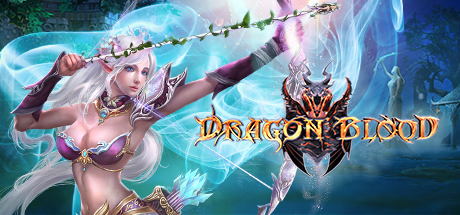
Game information


Game information
 Only for members
Steam Copies Sold & Revenue by Player Language

Game context & FAQ
Steam list price (this language tier)
Quick answers
- How are Steam copies sold and gross revenue computed?
- They’re modeled estimates from Steam review throughput, inferred player languages, historical price ladders per currency, and whether the SKU was temporarily free-not official Valve financials. See the indie methodology guide for formulas.
- Where do I find language mix data for Dragon Blood?
- Look for “Steam Copies Sold & Revenue by Player Language” above; it breaks review volume down by Steam’s detected languages, which also drives our regional revenue weighting.
Information
Dragon Blood was released on Steam on January 31, 2017 and has been available for 6 months.
According to GameSensor analytics, in June 2026, the game sold >1K copies, generating a total Steam revenue of >$5K. These numbers reflect strong interest from players and steady commercial performance.
This is the 1th title released by TeamTop Games, demonstrating consistent production output and a stable release cycle.
A key factor driving the performance of Dragon Blood is its international audience. The Steam player-language distribution shows that users primarily play the game in:
• Brazilian Portuguese
• Bulgarian
• Czech.
Language distribution directly affects buying behavior, regional sales peaks, and long-term retention. Games with a diverse multilingual audience usually demonstrate stronger global performance and broader revenue stability.
The current Steam user rating for Dragon Blood is negatively.
Overall, sales are 0% lower compared to the average performance of the last 1 paid titles released by TeamTop Games. This comparison helps position Dragon Blood within the studio’s broader commercial history.
Within the full catalog of the publisher 101XP, Dragon Blood currently ranks 16 among the most financially successful projects

Developer/publisher countries stored for this title include Russia, which tends to correlate with bursts of reviews and wishlists from nearby languages.